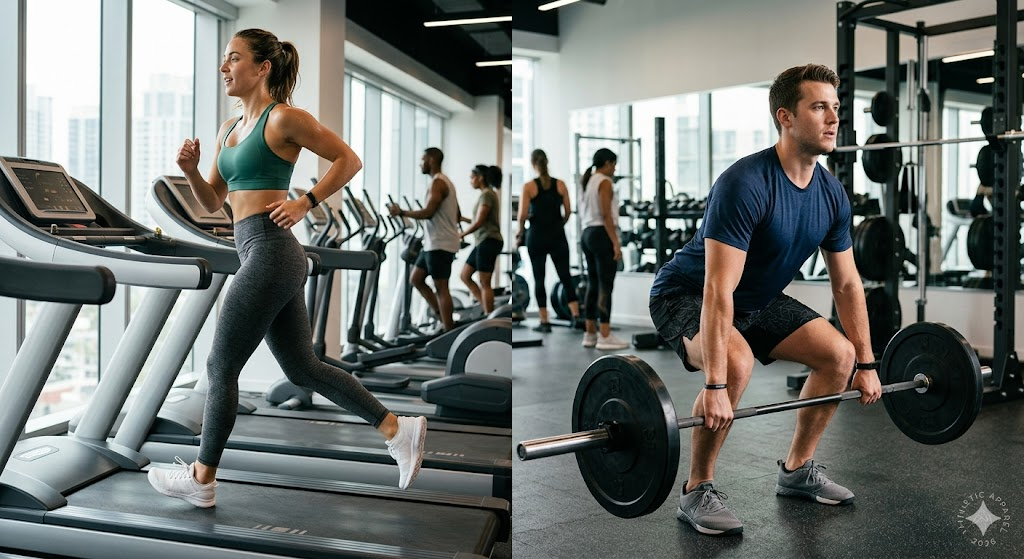
When you start a fitness journey, your clothes are your best friends. Athletic apparel is not just about looking cool at the gym. It is about how your body feels when you move. Imagine trying to run a marathon in heavy denim jeans. It would be itchy, hot, and very uncomfortable! High-quality workout clothes help you stay cool and dry. They are designed to stretch when you reach for the stars and stay strong when you lift heavy weights. Good gear can actually make you want to exercise more because you feel confident and ready.
Understanding Moisture-Wicking Technology
Have you ever noticed how some shirts get heavy and soaked when you sweat? That is because they are not made of the right stuff. Modern athletic apparel uses special science called moisture-wicking. This means the fabric pulls sweat away from your skin to the outside of the shirt. Once the sweat is on the outside, it evaporates into the air quickly. This keeps your body temperature steady. From my experience, wearing a polyester blend is much better than plain cotton for a long hike. You stay light and breezy instead of feeling like a wet sponge.
The Secret to High-Performance Fabrics
Not all fabrics are created equal in the world of sports. Most athletic apparel uses materials like nylon, spandex, or recycled polyester. Spandex is amazing because it can stretch up to 600% and then snap back into shape! This is perfect for yoga or gymnastics where you need to bend in many directions. Nylon is very tough and resists rubbing, so it lasts a long time. When I look for new gear, I always check the tag for these materials. They ensure your clothes won’t rip or lose their shape after just one wash.
Essential Features for Every Athlete
| Feature | Benefit for the User | Best For |
| Four-Way Stretch | Allows movement in all directions without restriction. | Yoga and Pilates |
| Breathability | Keeps air flowing so you don’t overheat. | Running and HIIT |
| Flatlock Seams | Prevents the fabric from rubbing and hurting your skin. | Long Distance Cardio |
| Compression | Fits tight to support muscles and help blood flow. | Weightlifting |
| Pockets | Gives you a place to put your phone or keys safely. | Outdoor Jogging |
Finding the Perfect Fit for Your Body
Buying athletic apparel is different than buying a fancy dress or a suit. You need to think about the “Goldilocks” rule: not too tight, and not too loose. If your leggings are too tight, they might pinch your waist and make it hard to breathe. If your shorts are too loose, they might fall down while you jump! I always suggest doing a “squat test” in the fitting room. If you can move comfortably and the fabric stays opaque, you have found a winner. Comfort is the biggest key to a successful workout session.
Why Compression Gear is a Game Changer
You might see many pro athletes wearing very tight sleeves or leggings. This type of athletic apparel is called compression wear. It works by gently squeezing your muscles. This squeeze helps your blood move faster back to your heart. It can also reduce the “jiggle” in your muscles, which saves energy. Many people find that their legs feel less sore the next day when they wear compression socks. It feels like a constant, gentle hug for your muscles while you work hard at the track.
Choosing Colors and Style for Motivation
Believe it or not, the color of your athletic apparel can change your mood! Bright colors like orange and yellow can give you a boost of energy for a morning run. Darker colors like navy or black often make people feel strong and focused during weightlifting. I love wearing my favorite blue hoodie because it makes me feel like a pro, even on days when I feel tired. When you like how you look in the mirror, you are more likely to show up and give your best effort at the gym.
The Importance of Supportive Sports Bras
For women, a sports bra is the most important piece of athletic apparel they can own. Regular bras are not built for jumping or running. A good sports bra holds everything in place so you don’t feel pain or discomfort. There are three levels: low, medium, and high impact. If you are doing yoga, low impact is fine. But if you are sprinting, you definitely need high impact support. Investing in a high-quality bra will protect your body and let you focus on your fitness goals instead of your clothes.
Sustainable and Eco-Friendly Activewear
Today, many people care about the planet while they get fit. A lot of athletic apparel is now made from recycled water bottles or ocean plastic. It is amazing how soft and stretchy recycled fabric can be! Choosing eco-friendly gear means you are taking care of the earth while taking care of your health. I always look for brands that use “Green” labels. It feels good to know that my gym shorts helped clean up a beach somewhere. Sustainable fashion is the future of the fitness world.
Footwear: The Foundation of Your Gear
Even though we talk about shirts and pants, shoes are a huge part of athletic apparel. Your feet carry your whole weight, so they need great cushions. Running shoes are bouncy to protect your knees from the hard pavement. Training shoes are flatter to help you stay balanced while lifting weights. I once tried to lift weights in puffy running shoes and almost tipped over! Always match your shoes to the activity you are doing. Your joints will thank you for the extra support and safety.
Taking Care of Your Workout Clothes
If you want your athletic apparel to last a long time, you have to wash it correctly. Never use fabric softener on gym clothes! Softener leaves a waxy coating that blocks the “breathable” holes in the fabric. This makes the clothes smell bad over time. I recommend washing them in cold water and hanging them up to dry. Heat from the dryer can ruin the elastic and make your clothes lose their stretch. If you treat your gear with love, it will stay fresh and stretchy for many years.
Conclusion
Finding the right athletic apparel is a journey that makes your life better. When you have clothes that wick away sweat, stretch with your body, and look great, exercise becomes fun. Remember to look for quality fabrics and a fit that makes you feel powerful. Whether you are walking the dog or training for a big race, the right gear is your best tool. Now that you know what to look for, grab your favorite sneakers and get moving! Your body deserves to feel comfortable while it gets stronger.
Frequently Asked Questions
1. How often should I replace my athletic apparel?
You should replace your gear when it loses its stretch or starts to smell even after washing. Usually, good leggings last about 6 to 12 months if you use them often.
2. Is expensive athletic apparel always better?
Not always! While expensive brands often use better technology, many affordable brands now offer great quality. Look at the fabric types (nylon/spandex) rather than just the price tag.
3. Can I wear my gym clothes for casual outings?
Yes! This is called “athleisure.” It is very popular to wear comfortable athletic apparel to the grocery store or to grab coffee with friends.
4. Why do my workout clothes smell bad?
Bacteria love to grow in sweat trapped in synthetic fibers. To fix this, use a special sports laundry soap and avoid using fabric softeners which trap the odors inside.
5. Should I choose tight or loose clothes for HIIT?
For High-Intensity Interval Training (HIIT), it is best to wear fitted athletic apparel. Loose clothes can get caught on equipment or trip you up during fast movements like burpees.
6. Does the fabric weight matter?
Yes. Lightweight fabrics are best for hot summer days or heavy sweating. Thicker fabrics are better for winter outdoor runs or for ensuring your leggings are squat-proof.