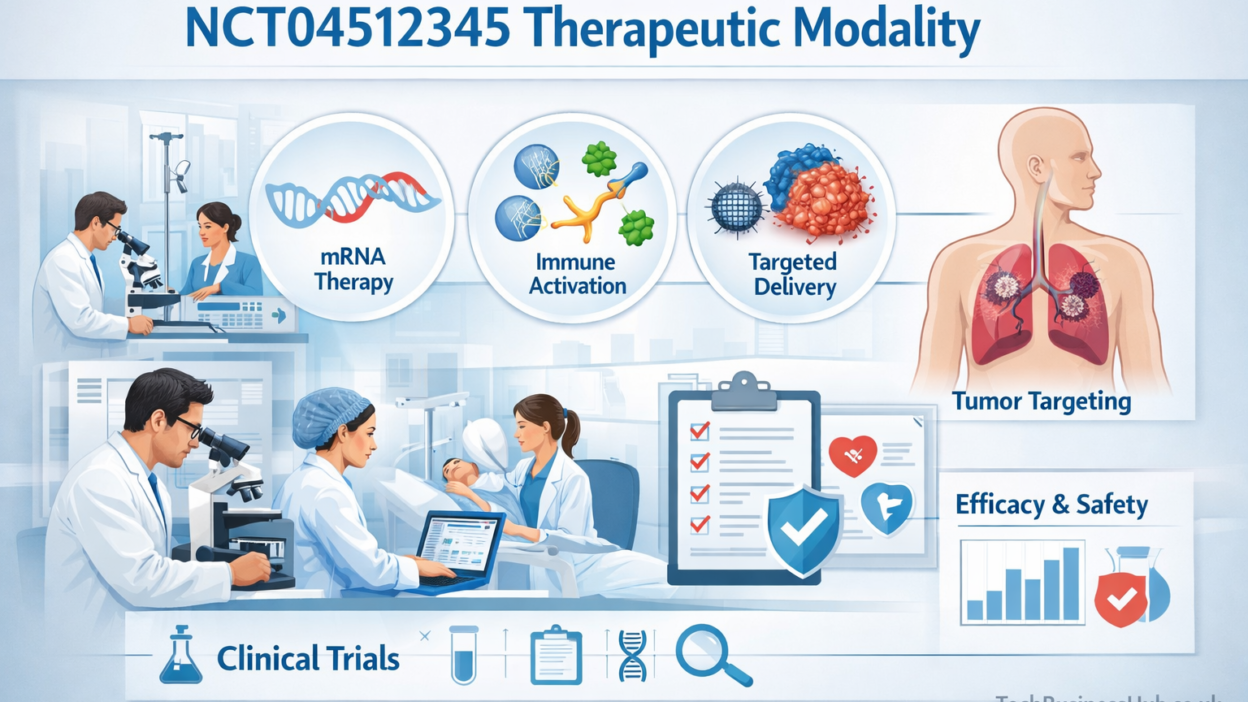
Introduction to NCT04512345 and Its Relevance in Therapeutic Research
Clinical trials are essential for advancing medical treatments. One such trial, identified by NCT04512345, examines a new therapeutic modality. This trial, like many others, tests a treatment designed to address a specific health condition. The identifier allows us to track detailed information about the study, including its objectives, design, and outcomes.
A therapeutic modality refers to a treatment method that aims to manage, alleviate, or cure a medical condition. These methods can include drug therapies, surgeries, or even digital health tools. Understanding the trial and its therapeutic modality helps clarify how the treatment works and why it matters.
What Is a Therapeutic Modality?
A therapeutic modality is any treatment method used to manage or cure a disease. Common examples include drug therapies, biological treatments, and surgeries. These modalities aim to target specific disease processes and help improve the patient’s health.
In clinical research, scientists explore how different therapeutic modalities work in the body. They test these treatments to ensure they are effective, safe, and practical for real-world use. For example, a pharmaceutical modality targets a biological pathway, while a surgical modality may involve removing affected tissue or organs.
The Role of Clinical Trials in Testing Therapeutic Modalities
Clinical trials play a critical role in evaluating therapeutic modalities. These studies compare new treatments to existing options to assess effectiveness. Trials like NCT04512345 follow strict procedures to ensure accurate results and patient safety.
Researchers monitor patients to track the effects of the treatment. They measure improvements and look for any adverse reactions. Data from these trials helps determine whether the therapeutic modality is a safe and effective option for patients.
NCT04512345: The Study Design and Objective
The NCT04512345 trial follows a randomized controlled design, the gold standard for clinical research. In this design, participants are randomly assigned to either the treatment or control group. This method helps ensure that results are not influenced by biases or external factors.
The trial’s goal is to evaluate the effectiveness of the therapeutic modality. Researchers aim to determine if it can improve symptoms, enhance quality of life, or even cure the condition. The study also tracks any side effects that occur during the trial.
The Therapeutic Mechanism Behind NCT04512345
Understanding how the therapeutic modality works is crucial for evaluating its success. In NCT04512345, the modality likely uses innovative technologies like biologics or gene editing. These methods represent the cutting edge of modern medicine.
The goal of this therapeutic modality is to target disease-causing factors while minimizing harm to healthy cells. Researchers aim to understand how the treatment interacts with the body and whether it produces the intended results. This mechanism is what sets newer treatments apart from traditional methods.
Ethical Considerations and Safety Protocols in Clinical Trials
Clinical trials prioritize patient safety. Trials like NCT04512345 follow ethical guidelines to protect participants. Before starting, the study protocol is reviewed by an Institutional Review Board (IRB). This ensures that the research is ethically sound and that patients provide informed consent.
Throughout the trial, researchers monitor participants for any adverse effects. If they identify safety concerns, they can pause or adjust the trial. These measures help ensure that patients remain safe during the study.
The Impact of Digital Tools in Modern Therapeutic Trials
Digital tools are transforming clinical research. In NCT04512345, wearable devices and mobile apps may be used to monitor patients in real time. These technologies help researchers gather more data and track health metrics outside of the clinical setting.
These tools allow for a more personalized approach to treatment. They provide real-time feedback on how the therapeutic modality affects the patient. The data collected can help researchers adjust treatment plans as needed, improving the trial’s accuracy.
Data Interpretation: Understanding Trial Outcomes
Interpreting the results of a trial is a complex process. Researchers compare the treatment group with the control group to determine if the new modality is effective. Statistical analysis helps assess whether the results are significant or if they occurred by chance.
In addition to statistical significance, researchers also consider clinical relevance. Even small improvements in treatment can significantly impact patients, especially in conditions with limited treatment options. This is why researchers evaluate both the statistical and practical aspects of the data.
The Future of Therapeutic Modalities
The future of therapeutic modalities looks promising. Innovations in biotechnology, gene therapy, and personalized medicine are changing how we approach treatment. New therapies are being developed that target diseases more precisely and effectively.
Emerging technologies, like artificial intelligence (AI), are also revolutionizing research. AI can analyze large amounts of data to identify new treatment targets and optimize trial designs. These advancements will likely make clinical trials faster, more efficient, and more accurate.
Read More: ProgramGeeks Social: The Ultimate Hub for Developers and Tech Enthusiasts
Conclusion: The Importance of NCT04512345 in the Broader Context
The NCT04512345 trial is an example of how clinical research drives medical progress. By studying new therapeutic modalities, researchers work to improve treatments for conditions with limited options. The findings from trials like NCT04512345 can ultimately lead to better, more effective therapies for patients.
Therapeutic modalities are evolving, and with each new trial, we gain a deeper understanding of how these treatments work. As technology advances, we can expect even more precise, personalized treatments that will improve patient outcomes. Clinical trials remain essential in helping us achieve these advancements.